Exploring the Challenges of Duck Nesting Spaces: Where and Why Ducks Choose to Lay Their Eggs

Updated: Feb 10, 2024

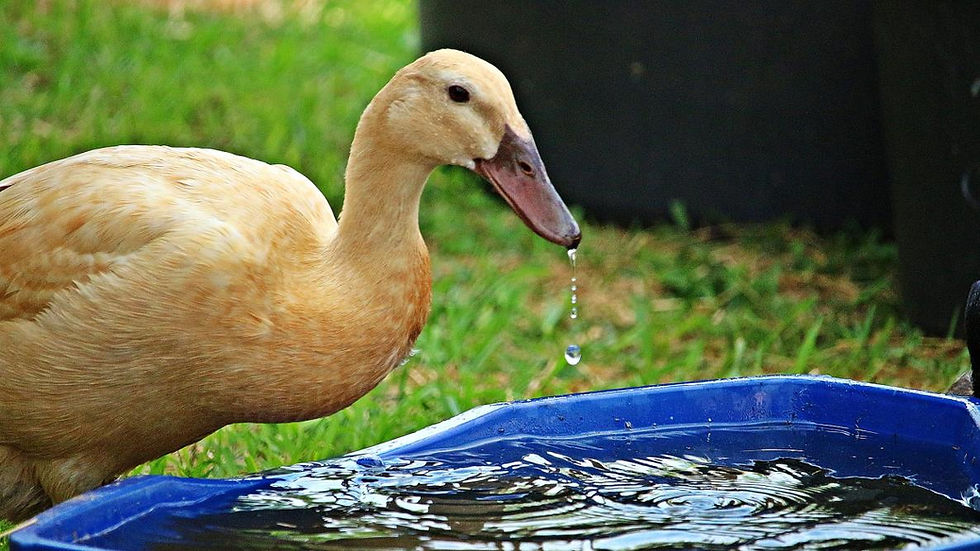
Domestic ducks, cherished for their charm and utility, exhibit nesting behaviors similar to their wild counterparts. However, the challenges they face in finding suitable nesting spaces may differ. In this blog post, we'll explore the unique difficulties domestic ducks encounter when laying eggs and understand the factors that influence where they choose to build their nests.
Limited Access to Natural Environments:
Unlike wild ducks, domestic ducks often find themselves in environments that lack the natural features essential for nesting. Fenced-in yards, urban settings, and limited access to bodies of water can restrict their options, making it challenging to create a nesting space that mimics their instinctual preferences.
Enclosed Living Spaces:
Many domestic ducks are kept in enclosed living spaces, such as pens or coops, for their safety and well-being. While these enclosures provide protection, they may not offer the variety of nesting options available in the wild. Domestic ducks may need to adapt to the confined spaces, leading to a higher likelihood of nest sharing or the use of less-than-ideal nesting materials.
Human-Induced Stress:
Domestic ducks often live in close proximity to humans, and this proximity can introduce stress during the egg-laying process. Loud noises, frequent human interactions, and changes in routine can disrupt their nesting behaviors. It's essential for caretakers to create a calm and secure environment to support domestic ducks in laying and incubating their eggs successfully.
Limited Nesting Material Availability:
In the wild, ducks gather natural materials like twigs, leaves, and down to build their nests. Domestic ducks may not have access to these materials, requiring human intervention to provide suitable nesting options. Lack of appropriate nesting materials can impact the comfort and success of domestic ducks in raising their broods.
Nest Site Selection in Captivity:
Domestic ducks often rely on the availability of nesting boxes or designated areas provided by their caretakers. Ensuring that these spaces are designed to meet the ducks' needs, with considerations for privacy, comfort, and security, is crucial for encouraging successful egg-laying and incubation.
Understanding the challenges of nesting spaces for domestic ducks is vital for those who keep these charming birds. By recognizing the unique circumstances they face in captivity, caretakers can take proactive steps to create environments that support natural nesting behaviors. Providing suitable nesting materials, minimizing stressors, and offering secure nesting spaces contribute to the well-being and reproductive success of domestic ducks, ensuring that they thrive in human care.


Comments